
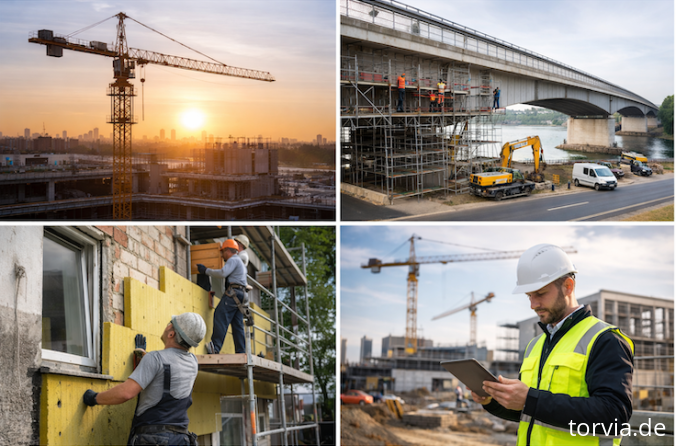
After several challenging years, the construction sector is entering 2026 with a cautious outlook. Public infrastructure investment, energy-efficient renovation and the modernization of existing buildings are supporting demand. At the same time, high costs, financing conditions and skilled-labour shortages continue to weigh on many projects.
Infrastructure and renovation remain important
Roads, railways, bridges and public facilities need long-term maintenance and modernization. In the building sector, refurbishment and energy upgrades are creating work alongside new construction. How quickly projects move forward depends on funding, planning capacity and reliable coordination.
Digital coordination can help
Digital planning and clear communication between clients, contractors and specialist trades can make project information easier to manage. They do not remove cost or scheduling risks, but can help teams identify changes earlier.
A measured outlook
The market remains uneven across regions and trades. Companies should assess each project, its financing and its capacity requirements individually. The signs point to areas of opportunity, not to a guaranteed broad-based boom.